Computer Vision: How AI Sees and Interprets Images
The field of
Artificial Intelligence (AI) has experienced tremendous growth in recent years, with
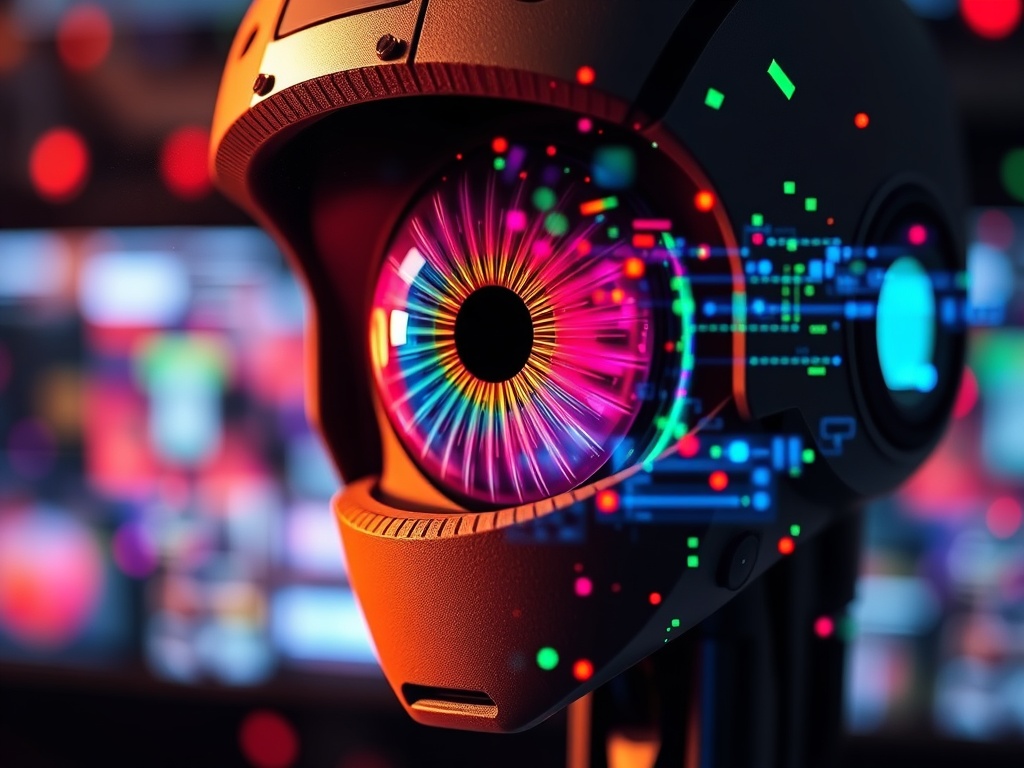
Computer Vision being one of the most significant areas of development. Computer Vision is a subfield of AI that enables computers to interpret and understand visual information from the world, mimicking the human visual system. In this article, we will delve into the world of Computer Vision, exploring how AI sees and interprets images, and the various applications of this technology.
Introduction to Computer Vision
Computer Vision is a multidisciplinary field that combines
Machine Learning,
Computer Science, and
Mathematics to enable computers to process, analyze, and understand visual data from images and videos. This technology has numerous applications in areas such as
Automation,
Healthcare,
Security, and
Transportation. Computer Vision has the potential to revolutionize the way we interact with technology, making it an essential aspect of AI research and development.
How Computer Vision Works
Computer Vision works by using
Algorithms and
Machine Learning techniques to process and analyze visual data. The process involves several stages, including:
- Image Acquisition: The process of capturing images or videos using cameras or other sensors.
- Image Preprocessing: The process of enhancing and filtering the captured images to remove noise and improve quality.
- Feature Extraction: The process of identifying and extracting relevant features from the preprocessed images.
- Object Detection: The process of identifying and classifying objects within the images.
- Image Classification: The process of categorizing images into different classes or categories.
Applications of Computer Vision
Computer Vision has numerous applications in various industries, including:
Healthcare
Computer Vision is used in
Medical Imaging to analyze images and diagnose diseases. For example,
AI-powered systems can detect
Cancer from
MRI and
CT scans, enabling early diagnosis and treatment.
Security
Computer Vision is used in
Surveillance Systems to detect and recognize individuals, track objects, and identify potential threats.
Transportation
Computer Vision is used in
Autonomous Vehicles to detect and respond to traffic signals, pedestrians, and other obstacles.
Challenges and Limitations
Despite the significant advancements in Computer Vision, there are still several challenges and limitations that need to be addressed. These include:
- Data Quality: The quality of the training data has a significant impact on the performance of Computer Vision systems.
- Lighting Conditions: Computer Vision systems can be affected by varying lighting conditions, which can impact their accuracy.
- Occlusion: Computer Vision systems can struggle with occlusion, where objects are partially or fully obscured from view.
Future of Computer Vision
The future of Computer Vision is promising, with significant advancements expected in areas such as
Edge AI,
Explainable AI, and
Transfer Learning. The integration of Computer Vision with other AI technologies, such as
Natural Language Processing (NLP) and
Robotics, is expected to create new and innovative applications.
Computer Vision is a rapidly evolving field, with significant potential to transform various industries and aspects of our lives. As AI continues to advance, we can expect to see more sophisticated and accurate Computer Vision systems, enabling new applications and use cases.
Conclusion
In conclusion, Computer Vision is a powerful technology that enables computers to interpret and understand visual information from the world. With its numerous applications in areas such as Healthcare, Security, and Transportation, Computer Vision has the potential to revolutionize the way we interact with technology. As AI continues to advance, we can expect to see significant improvements in Computer Vision, enabling new and innovative applications.



Aucun commentaire:
Enregistrer un commentaire